

Who’s Covered by Car Insurance – the Vehicle or the Driver?
A common misunderstanding about auto insurance often leaves drivers confused when accidents happen. Many people assume that their car insurance covers them personally, but in reality, most car insurance policies follow the car, not the driver.
This means when someone borrows a vehicle, they also borrow the coverage tied to it. If that person crashes, the owner’s policy typically becomes the first line of defense for any damages or injuries.
Still, insurance coverage isn’t always black and white. Several key factors like permission, driver eligibility, and policy details, can change how coverage applies in specific situations.
The Rule of Permissive Use
When a vehicle owner gives someone permission to drive their car, that person becomes a permissive driver. In most states, permissive drivers receive temporary coverage under the owner’s policy. So, if a friend or relative borrows the car and causes an accident, the owner’s insurance usually covers the damages, within the policy limits.

Freepik | rawpixel.com | Your auto insurance policy typically extends to cover “permissive drivers” who use your car with your consent.
However, exceptions exist:
1. Non-permissive use – If someone drives without the owner’s permission, such as a car thief, the policy won’t apply. That person becomes fully liable for any damage.
2. Excluded drivers – Some drivers are specifically excluded on a policy. If they drive the car and crash, the insurance company won’t pay for the claim.
3. Unlicensed or suspended drivers – Letting an unlicensed driver use your car can lead to denied claims and even fines for the vehicle owner.
4. Commercial use – Personal policies usually exclude business purposes like ridesharing or deliveries unless you carry additional commercial coverage.
These distinctions highlight why lending a car should never be taken lightly.
How Different Coverage Types Apply
Car insurance isn’t a single blanket policy. Each type of coverage functions differently, and understanding them can prevent major financial surprises.
1. Liability Coverage
Liability insurance protects the driver from costs related to injuries or property damage caused to others. In cases where a driver borrows someone else’s vehicle, liability coverage usually follows the driver, not the car.
Typical limits appear as three numbers like, 25/50/15 representing:
$25,000 for injury per person
$50,000 for injury per accident
$15,000 for property damage
If you drive another person’s car and cause a crash, your liability policy can cover damages to others, depending on your policy’s terms.
2. Collision and Comprehensive Coverage
These coverages generally follow the car itself. Collision coverage pays for damage to the insured vehicle after an accident with another object, such as another car or a fence. Comprehensive insurance covers non-collision events such as weather-related damage, theft, and vandalism.
So, when a permissive driver damages your car, your policy still applies. You’d pay the deductible, and your insurer would handle the rest, as long as the incident fits within your coverage.
3. Medical Payments and Personal Injury Protection
Medical Payments (MedPay) and Personal Injury Protection (PIP) help cover medical expenses after an accident. These coverages can differ by state, but generally, they follow the policyholder, not the vehicle. PIP, available in “no-fault” states, can also cover lost wages and rehabilitation costs, no matter who caused the accident.
When Secondary Coverage Comes Into Play
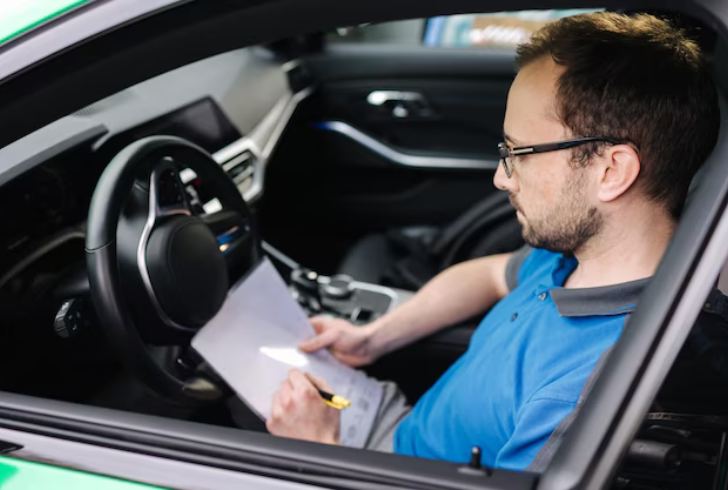
Freepik | gritsiv | Drivers should keep their own insurance active because it can help when coverage falls short.
Sometimes, both the owner’s and the driver’s policies can apply. If a permissive driver crashes a borrowed vehicle, the owner’s insurance acts as the primary policy, while the driver’s insurance becomes secondary.
For example, if total damages cost $20,000 but the owner’s policy covers only $15,000, the driver’s insurance may cover the remaining $5,000. If the driver has no insurance, the owner could end up responsible for everything above the policy limit.
This setup makes it critical to verify that anyone borrowing your car carries their own active insurance.
Smart Steps Before Lending Your Vehicle
Handing over your keys comes with real financial risks. Before saying yes, take a few precautions to stay protected:
1. Know the driver well – Only lend your car to someone with a good driving record and valid license.
2. Discuss the deductible – Agree in advance on who will handle the deductible if an accident occurs.
3. Check your policy – Make sure your insurance includes permissive driver coverage and review exclusions carefully.
4. Track your rates – Even if someone else causes the crash, your premium might increase after filing a claim.
These steps help prevent misunderstandings that could lead to higher costs or denied claims later.
Car insurance can seem confusing, but the golden rule remains simple: insurance follows the vehicle, not always the driver. Understanding how coverage types work, especially liability, collision, and comprehensive, helps avoid surprises when accidents happen.
Before anyone borrows your car, think twice, review your policy, and set clear boundaries. With the right awareness and responsible choices, both you and your car stay safer on the road.
More inCar Insurance
-
`
 Understanding the Difference Between Motorcycle and Car Engines
Cars and motorcycles dominate modern roads, each powered by engines designed to turn fuel into motion through controlled combustion. At a...
May 10, 2026 -
`
 HSE Bus Driver Faces Charges After Student Caught Her Drinking Vodka on Duty
A routine school ride turned into a serious safety scare in Fishers, Indiana. A Hamilton Southeastern Schools bus driver now faces...
May 8, 2026 -
`
 Woman Injured After Minivan Filled With Propane Gas Explodes in Virginia
A quiet morning in Burke, Virginia turned chaotic on April 9 when a Chrysler Pacifica erupted in a powerful explosion around...
May 1, 2026 -
`
 Ignoring ‘Gamified’ Trading Apps and Opting for ‘Boring’ Cash Flow is a Smart Investment Strategy
The modern investing world looks more like a game than a plan for building wealth. Bright colors, instant rewards, and constant...
April 30, 2026 -
`
 Why Holding Too Much Cash During Inflation Can Quietly Reduce Wealth
Cash often feels like a safe haven when prices rise and economic headlines turn uneasy. Bank balances stay steady, there’s no...
April 25, 2026 -
`
 Most Expensive & Cheapest Car Insurance Costs by State in 2026
Car insurance costs in 2026 feel anything but predictable, and where you live plays a bigger role than most people expect....
April 23, 2026 -
`
 How Inflation Impacts Car Insurance Costs and What Drivers Can Do
Insurance premiums tend to move with the broader economy. As everyday costs rise, insurers face higher claim payouts—and those increases show...
April 19, 2026 -
`
 YouTube is Coming to Android Auto, BUT the Most Important Feature Is Missing?
YouTube is finally coming to Android Auto, and at first glance, that sounds like a big deal. People have waited for...
April 17, 2026 -
`
 New Rule Change Leads to Thousands of Driving Test Cancellations
A recent rule change has created major disruption for learner drivers, with more than 1,200 driving tests canceled in just two...
April 10, 2026
More From CashRoadster
-
 What Qualifies a Vehicle for Classic Car Insurance?
Owning a classic car is about more than preserving an older vehicle. Many enthusiasts appreciate vintage automobiles because they are easier...
Car InsuranceJuly 12, 2026 -
 NHTSA Launches ‘Special Investigation’ After Fatal Tesla Crash Into Texas Home
A deadly Tesla crash in Texas is now at the center of a federal safety investigation. The U.S. National Highway Traffic...
Auto NewsJuly 8, 2026 -
 “Grand Theft Auto VI” Cover Art Revealed
Rockstar Games gave fans a fresh look at “Grand Theft Auto VI” after releasing the game’s official cover art on Thursday....
Auto NewsJuly 5, 2026 -
 Why ‘Super Commuting’ Is Becoming a New Normal in Northern California
For thousands of workers across Northern California, a long drive to work is no longer an occasional inconvenience. It has become...
DrivingJuly 3, 2026 -
 Why Advanced Headlights Used Worldwide Are Still Restricted in America
Night driving was once associated with quieter roads and a calmer driving experience. Today, many motorists face a different reality. Intense...
DrivingJune 28, 2026
You must be logged in to post a comment Login