

What Qualifies a Vehicle for Classic Car Insurance?
Owning a classic car is about more than preserving an older vehicle. Many enthusiasts appreciate vintage automobiles because they are easier to repair, offer a hands-on way to understand automotive mechanics, and deliver a driving experience that feels different from today’s technology-heavy vehicles. Some owners also prefer older models because they have fewer electronic systems and simpler emissions equipment.
Even though many classic vehicles are exempt from certain modern automotive standards, they still require insurance before being driven on public roads. Auto insurance is legally required in most U.S. states, and it also protects owners from costly repairs, theft, accidents, and other unexpected damage.
Since many classic cars continue to increase in value, having the right insurance policy helps protect a significant financial investment. Interestingly, classic car insurance often costs less than a standard auto policy, but not every older vehicle automatically qualifies for this specialized coverage.
Age Alone Does Not Define a Classic Car
Many people assume that any old vehicle qualifies for classic car insurance. Insurance providers evaluate several factors before approving a vehicle for this type of policy.
The first requirement is age. In most cases, a vehicle must be at least 25 years old to qualify for classic car insurance. However, reaching that age does not guarantee eligibility. Insurers also examine how the vehicle is used, its overall condition, and whether it meets their specific standards.
A well-maintained vehicle with limited use is much more likely to qualify than an older car that serves as everyday transportation.

Freepik | Insurance companies evaluate strict criteria before approving a vehicle for a classic car policy.
Limited Use Is a Major Requirement
Classic car insurance is designed for vehicles that are driven occasionally rather than every day. Because of that, insurance companies generally do not allow the insured vehicle to serve as the owner’s primary mode of transportation.
Most providers require policyholders to have another reliable vehicle available for daily travel. That second vehicle may be personally owned or, depending on the insurer’s guidelines, regular access to transportation through a household member may satisfy the requirement.
Annual mileage also plays an important role. Most classic car insurance policies include mileage restrictions, often limiting driving to only a few thousand miles each year. These limits help reduce the vehicle’s exposure to accidents, which is one reason premiums are usually lower than those for standard auto insurance.
Vehicle Condition Matters
Insurance companies expect classic vehicles to remain in good mechanical and cosmetic condition. A poorly maintained or neglected vehicle may not qualify for specialized coverage, even if it meets the age requirement.
Many insurers ask for maintenance records that show the vehicle receives regular servicing and proper care. These documents help demonstrate that the car remains roadworthy and has been responsibly maintained over time.
Storage requirements may also apply. Some insurance companies require classic cars to be kept inside a secure garage or another protected indoor location when they are not being driven. Proper storage reduces the risk of theft, vandalism, weather-related damage, and other preventable losses.
Because eligibility requirements vary between companies, comparing multiple insurance providers can help owners understand coverage options, policy conditions, and pricing before making a decision.
How Classic Car Insurance Is Different
Classic car insurance offers many of the same protection options available through standard auto insurance. Policyholders can typically choose liability, collision, and comprehensive coverage. Many insurers also offer optional endorsements and additional protection based on the owner’s needs.
The biggest differences are not the coverage types but the eligibility rules and the way insurers determine a vehicle’s value.
Unlike newer vehicles, which generally lose value as they age and accumulate mileage, many classic cars appreciate over time. For that reason, insurance companies often establish the vehicle’s value before the policy begins. This agreed or estimated value becomes the basis for coverage and premium calculations.
Standard auto insurance works differently. In most cases, insurers determine the vehicle’s value only after a claim is filed, using factors such as depreciation, age, condition, and market value at that time.
Why Classic Car Insurance Costs Less

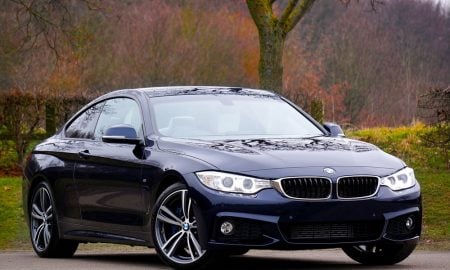
Freepik | Classic cars often cost less to insure because they are driven less, minimizing their risk of accidents.
Although classic vehicles may be worth more than many newer cars, insurance premiums are frequently lower. The primary reason is reduced risk.
Since classic cars are not intended for daily commuting, they spend less time on the road. Lower annual mileage means fewer opportunities for collisions and other incidents, allowing insurers to offer lower premiums.
On average, classic car insurance policies can cost about 30% less than traditional auto insurance. The exact premium depends on several factors, including the vehicle’s value, storage arrangements, driving history, annual mileage, and the insurer’s underwriting requirements.
Lower pricing does not mean reduced protection. Instead, it reflects the limited use of the vehicle and the lower likelihood of claims compared with a daily-driven automobile.
Choosing the Right Coverage
Every insurance company has its own qualification standards for classic vehicles. While most providers require the vehicle to be at least 25 years old, they may differ on mileage limits, storage expectations, documentation requirements, and acceptable vehicle condition.
Reviewing policies from multiple insurers allows owners to compare eligibility rules, available coverage, and pricing before selecting a plan. This approach helps ensure the vehicle receives protection that matches both its value and intended use.
Classic car insurance is intended for vehicles that are preserved, maintained, and driven responsibly rather than used for everyday transportation. Age remains an important requirement, but insurers also consider annual mileage, vehicle condition, maintenance history, storage practices, and access to another daily-use vehicle.
These requirements allow insurance companies to offer specialized protection at rates that are often lower than standard auto insurance. For owners of eligible vintage vehicles, classic car insurance provides financial protection while helping preserve the long-term value of an important automotive investment.
More inCar Insurance
-
`
 Auto.m Autonomous Taxi Concept Wins 2026 Red Dot Award
Cities are exploring new ways to improve transportation as demand grows for cleaner, smarter, and more convenient mobility solutions. Autonomous vehicles...
August 1, 2026 -
`
 Olympic Cyclist Pleads Guilty to Driving While Banned After Crash That Killed His Wife
Former Olympic cyclist Rohan Dennis has admitted to driving while disqualified, adding another chapter to a case that has drawn attention...
July 30, 2026 -
`
 Tesla’s Miami Robotaxi Launch Is Big News, but Will It Lift TSLA Stock?
Tesla continues to attract attention from both active traders and long-term investors, making TSLA one of the most closely watched stocks...
July 26, 2026 -
`
 All the Reasons Why You Shouldn’t Blindly Follow AI Money Advice
Artificial intelligence has quickly become part of everyday life. People now use AI to write emails, plan vacations, answer questions, and...
July 24, 2026 -
`
 Financial Advice From Millionaires That Could Actually Hurt Your Wallet
Money advice from millionaires often sounds convincing because it comes from people who have already built wealth. Still, success does not...
July 19, 2026 -
`
 Do You Really Need Rental Car Insurance? A Deeper Look
Renting a car feels simple until the person at the counter starts asking about insurance. Many travelers freeze at that moment...
July 17, 2026 -
`
 NHTSA Launches ‘Special Investigation’ After Fatal Tesla Crash Into Texas Home
A deadly Tesla crash in Texas is now at the center of a federal safety investigation. The U.S. National Highway Traffic...
July 8, 2026 -
`
 “Grand Theft Auto VI” Cover Art Revealed
Rockstar Games gave fans a fresh look at “Grand Theft Auto VI” after releasing the game’s official cover art on Thursday....
July 5, 2026 -
`
 Why ‘Super Commuting’ Is Becoming a New Normal in Northern California
For thousands of workers across Northern California, a long drive to work is no longer an occasional inconvenience. It has become...
July 3, 2026
More From CashRoadster
-
 Simone Biles Says Three Masked Men Stole Her Six-Figure Porsche
Simone Biles has shared details about a frightening incident that happened during her final months in Chicago. The Olympic gold medalist...
AdviceOctober 10, 2026 -
 How to Lower Your Car Insurance Premium Without Dropping Essential Coverage?
Car insurance can feel painfully expensive, especially when your driving record has not changed. You renew the same policy, drive the...
Car InsuranceOctober 8, 2026 -
 California Proposes New Auto Insurance Rules for Single Drivers
California drivers could see a change in how auto insurance companies set premiums. Insurance Commissioner Ricardo Lara has announced a proposed...
Car InsuranceOctober 4, 2026 -
 Credit Acceptance Pays $710 Million to Settle Predatory Auto Lending Claims
One of America’s largest subprime auto lenders has agreed to a massive settlement over allegations that it put financially vulnerable drivers...
Auto NewsOctober 1, 2026 -
 EV vs. Hybrid vs. Gas | Which Car Works Best for a Road Trip?
A long road trip can reveal differences that city driving often hides. Charging time, fuel stops, highway range, energy prices, and...
Auto NewsSeptember 27, 2026
You must be logged in to post a comment Login