
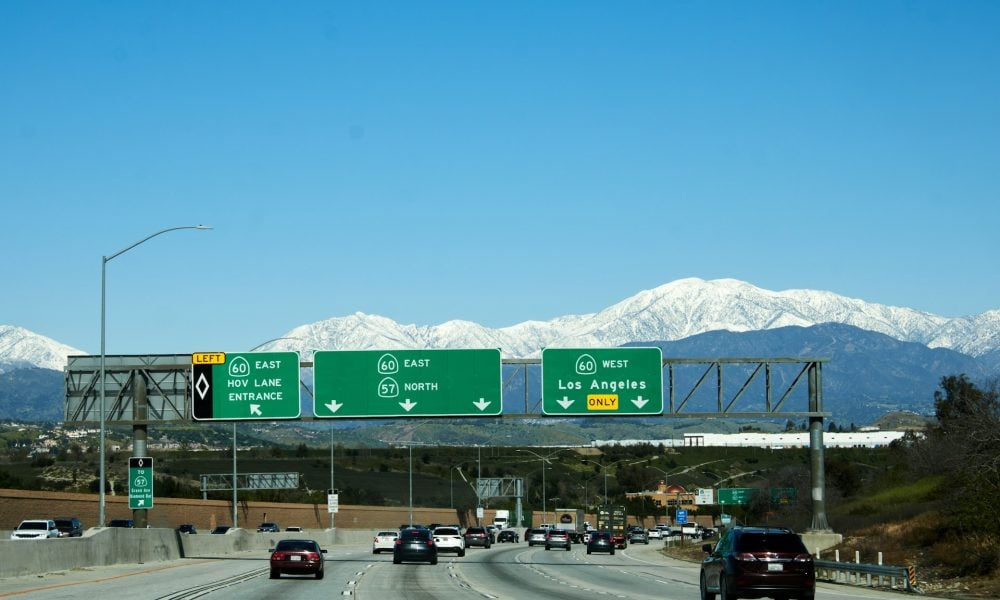
Why ‘Super Commuting’ Is Becoming a New Normal in Northern California
For thousands of workers across Northern California, a long drive to work is no longer an occasional inconvenience. It has become part of everyday life. The rise of the “super commute” is changing how people live, work, and think about housing. What was once considered an extreme journey is now a routine reality for many employees who travel hours each day to reach their jobs.
A super commute is generally defined as “a one-way trip that exceeds 50 miles or takes 90 minutes or more.” In Northern California, that description fits a growing share of the workforce. People leave home before sunrise and often return after dark. They spend countless hours behind the wheel, turning highways into temporary offices and vehicles into second homes.
For workers like Lee Sartain, the road has become a central part of business life. The small business owner lives in El Dorado Hills but serves clients throughout the Bay Area. His weekly driving time adds up to roughly 25 hours. In just one month with a new work truck, he had already put 7,000 miles on the vehicle.
Housing Costs Are Driving People Farther Away

Robert / Pexels / The Bay Area remains one of the most expensive housing markets in the United States. Home prices and rents continue to place enormous pressure on families trying to build stable lives near major employment centers.
As a result, many workers have moved east toward more affordable communities in the Sacramento region and the Central Valley. Cities that once seemed too far from Bay Area job centers are now considered practical alternatives. For many households, the choice comes down to economics. Living near work may reduce commuting time, but the housing costs can be overwhelming.
Moving farther away often means larger homes, safer neighborhoods, and lower monthly expenses. The trade-off is spending hours on the road. This jobs and housing imbalance has become one of Northern California’s defining challenges. Employment opportunities remain concentrated in high-cost regions, while affordable housing is increasingly located far away.
The Hidden Cost of Life on the Road

Sebastian / Unsplash / Long commutes consume time and drain money. California drivers already face some of the highest fuel prices in the country. For super commuters, those costs add up quickly.
A single trip to the gas station can easily exceed $100. Some workers need to fill their tanks multiple times each week, turning transportation into one of their largest monthly expenses.
Carlos Martinez knows that reality well. He commutes from Roseville to San Francisco and has seen his monthly fuel bill climb to as much as $500. Despite the financial burden, many workers feel trapped by the situation. Cutting back on travel could mean losing clients, reducing income, or limiting career opportunities.
The costs extend beyond fuel. Vehicle maintenance becomes more frequent. Tires wear out faster. Oil changes happen more often. Repair bills arrive sooner. Then there is the physical toll. Spending several hours each day in traffic can create stress, fatigue, and frustration.
Many commuters sacrifice personal time with family and friends. Activities that others enjoy after work are often replaced by another hour on the freeway. Even so, many workers continue making the journey because they view it as an investment in their future.
The scale of super commuting is larger than many people realize. In San Joaquin County alone, approximately one in ten workers spends at least 90 minutes traveling each way to work. That figure highlights how common the practice has become. Research from the University of the Pacific shows that super commuting is no longer a niche phenomenon. It has evolved into a major regional workforce pattern.
More inDriving
-
`
 Tesla’s Miami Robotaxi Launch Is Big News, but Will It Lift TSLA Stock?
Tesla continues to attract attention from both active traders and long-term investors, making TSLA one of the most closely watched stocks...
July 26, 2026 -
`
 All the Reasons Why You Shouldn’t Blindly Follow AI Money Advice
Artificial intelligence has quickly become part of everyday life. People now use AI to write emails, plan vacations, answer questions, and...
July 24, 2026 -
`
 Financial Advice From Millionaires That Could Actually Hurt Your Wallet
Money advice from millionaires often sounds convincing because it comes from people who have already built wealth. Still, success does not...
July 19, 2026 -
`
 Do You Really Need Rental Car Insurance? A Deeper Look
Renting a car feels simple until the person at the counter starts asking about insurance. Many travelers freeze at that moment...
July 17, 2026 -
`
 What Qualifies a Vehicle for Classic Car Insurance?
Owning a classic car is about more than preserving an older vehicle. Many enthusiasts appreciate vintage automobiles because they are easier...
July 12, 2026 -
`
 NHTSA Launches ‘Special Investigation’ After Fatal Tesla Crash Into Texas Home
A deadly Tesla crash in Texas is now at the center of a federal safety investigation. The U.S. National Highway Traffic...
July 8, 2026 -
`
 “Grand Theft Auto VI” Cover Art Revealed
Rockstar Games gave fans a fresh look at “Grand Theft Auto VI” after releasing the game’s official cover art on Thursday....
July 5, 2026 -
`
 Why Advanced Headlights Used Worldwide Are Still Restricted in America
Night driving was once associated with quieter roads and a calmer driving experience. Today, many motorists face a different reality. Intense...
June 28, 2026 -
`
 How 2026 Graduates Can Establish a Solid Financial Ground for Future Decades
Graduation marks the beginning of a new financial chapter filled with opportunities, responsibilities, and choices that can shape the future. The...
June 26, 2026
More From CashRoadster
-
 California Proposes New Auto Insurance Rules for Single Drivers
California drivers could see a change in how auto insurance companies set premiums. Insurance Commissioner Ricardo Lara has announced a proposed...
Car InsuranceOctober 4, 2026 -
 Credit Acceptance Pays $710 Million to Settle Predatory Auto Lending Claims
One of America’s largest subprime auto lenders has agreed to a massive settlement over allegations that it put financially vulnerable drivers...
Auto NewsOctober 1, 2026 -
 EV vs. Hybrid vs. Gas | Which Car Works Best for a Road Trip?
A long road trip can reveal differences that city driving often hides. Charging time, fuel stops, highway range, energy prices, and...
Auto NewsSeptember 27, 2026 -
 Diesel Prices Exceed Historic $6 a Gallon as Iran War Intensifies
Diesel prices are soaring in the U.S. The national average reached $6.2694 per gallon on September 15, 2026, according to AAA....
DrivingSeptember 25, 2026 -
 Adding Your Teen to Your Car Insurance? Costs and Ways to Save
A newly licensed teen can bring excitement to a household, but the first auto insurance bill may bring a surprise. Young...
DrivingSeptember 19, 2026
You must be logged in to post a comment Login