

Everything You Ought to Know About Car Insurance in Texas
Texas drivers cover millions of miles every day. They go through packed highways in Houston, long stretches of interstate roads in West Texas, and crowded city streets in Dallas, Austin, and San Antonio. With more vehicles on the road, rising repair costs, and frequent weather-related claims, having the right car insurance has never been more important.
Many car owners in Texas buy coverage, file the paperwork away, and never look at it again. That can be a costly mistake. Understanding how car insurance works in Texas helps you get the right protection and avoid paying more than necessary.
Texas Car Insurance Rules You Need to Know
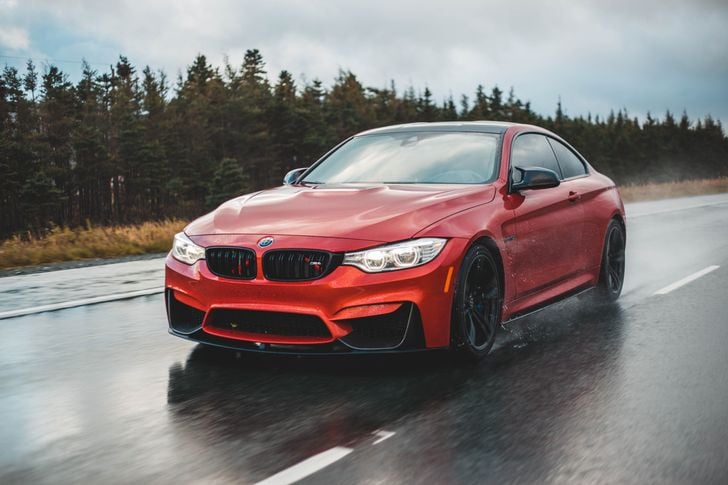
Intro / Pexels / Texas law requires every car owner to carry a minimum amount of liability insurance. This coverage pays for damage and injuries you cause to others in an accident.
Remember, it does not pay for your own vehicle repairs or medical bills.
The state’s minimum requirement is often called 30/60/25 coverage. That means up to $30,000 for injuries per person, $60,000 for injuries per accident, and $25,000 for property damage. While these limits meet legal requirements, they may not fully cover the costs of a serious accident.
Many drivers assume minimum coverage is enough because it keeps monthly payments low. The problem appears when damages exceed policy limits. If that happens, you may have to pay the remaining costs yourself.
Insurance companies also offer uninsured and underinsured motorist coverage. This protection helps if another driver causes an accident and lacks enough insurance. Considering the number of uninsured drivers on Texas roads, this coverage can provide valuable peace of mind.
What Affects Car Insurance Rates in Texas?
Insurance rates are not random. Companies look at several factors before deciding how much to charge. Your driving history is one of the biggest influences. Drivers with accidents or traffic violations often pay higher premiums.
Age and driving experience also matter. Younger drivers usually face higher rates because they are statistically more likely to be involved in accidents. Drivers with years of safe driving often qualify for lower premiums.
Plus, where you live can make a surprising difference. Drivers in large cities often pay more because traffic is heavier and accident risks are higher. Areas with higher theft rates can also lead to increased premiums.
The vehicle you drive plays a role as well. Luxury vehicles, sports cars, and models with expensive repair costs generally cost more to insure. Cars with strong safety ratings and advanced safety features often receive better rates.
Your credit-based insurance score may also affect pricing in Texas. Insurers use this information to help predict risk. Maintaining good credit can sometimes lead to lower insurance costs.
Choose the Coverage That Fits Your Needs

Olly / Pexels / Collision coverage will help you pay for repairs to your vehicle after an accident, regardless of who caused it.
Comprehensive coverage protects against events that do not involve a collision. This includes theft, hail damage, vandalism, falling objects, and certain weather-related incidents. In a state known for severe storms, comprehensive coverage can be especially valuable.
Personal injury protection, AKA PIP, helps cover medical expenses and lost wages after an accident. This coverage can help you recover financially while focusing on your health.
Drivers with newer vehicles often benefit from broader coverage because repair and replacement costs can be high. Owners of older vehicles sometimes choose a different approach based on the vehicle’s value and their financial situation.
Remember, the best policy is the one that balances protection and affordability. Paying slightly more for stronger coverage today can save you from major expenses later.
More inCar Insurance
-
`
 What Qualifies a Vehicle for Classic Car Insurance?
Owning a classic car is about more than preserving an older vehicle. Many enthusiasts appreciate vintage automobiles because they are easier...
July 12, 2026 -
`
 NHTSA Launches ‘Special Investigation’ After Fatal Tesla Crash Into Texas Home
A deadly Tesla crash in Texas is now at the center of a federal safety investigation. The U.S. National Highway Traffic...
July 8, 2026 -
`
 “Grand Theft Auto VI” Cover Art Revealed
Rockstar Games gave fans a fresh look at “Grand Theft Auto VI” after releasing the game’s official cover art on Thursday....
July 5, 2026 -
`
 Why ‘Super Commuting’ Is Becoming a New Normal in Northern California
For thousands of workers across Northern California, a long drive to work is no longer an occasional inconvenience. It has become...
July 3, 2026 -
`
 Why Advanced Headlights Used Worldwide Are Still Restricted in America
Night driving was once associated with quieter roads and a calmer driving experience. Today, many motorists face a different reality. Intense...
June 28, 2026 -
`
 How 2026 Graduates Can Establish a Solid Financial Ground for Future Decades
Graduation marks the beginning of a new financial chapter filled with opportunities, responsibilities, and choices that can shape the future. The...
June 26, 2026 -
`
 Is Running Your AC All Day Saving Money or Raising Energy Bill?
As temperatures climb, air conditioners become one of the hardest-working appliances in many homes. A common belief is that keeping an...
June 21, 2026 -
`
 Why Liability Auto Insurance Is Required but Full Coverage Isn’t
Car insurance rules often feel uneven. One part is enforced by law, while another is left to personal choice or financial...
June 14, 2026 -
`
 Mitsubishi Ends its U.S. Pickup Hiatus With Nissan-sourced Truck Aimed at Toyota Tacoma & Chevy Colorado
Mitsubishi is getting ready for a major comeback in the United States. After years of sitting on the sidelines in key...
June 12, 2026
More From CashRoadster
-
 Adding Your Teen to Your Car Insurance? Costs and Ways to Save
A newly licensed teen can bring excitement to a household, but the first auto insurance bill may bring a surprise. Young...
DrivingSeptember 19, 2026 -
 Here’s How Much Spending Money Your College Student Should Get
The tuition is paid, the dorm room is booked, the meal plan is set, and the car is packed. Your college...
AdviceSeptember 18, 2026 -
 How Much Money Should You Keep in an Emergency Fund?
With everyday expenses remaining high across the U.S. in 2026, an emergency fund can provide a needed buffer when an unexpected...
AdviceSeptember 13, 2026 -
 How Staying With the Same Car Costs You More in Insurance
Loyalty usually sounds like something a company should reward. Stay with the same business for years, pay your bills on time,...
Car InsuranceSeptember 11, 2026 -
 State Farm Is Sending Out $5 Billion in Dividends. Here’s Who Qualifies
After several years of rising auto insurance costs, some State Farm customers are now getting money back. State Farm has started...
Car InsuranceSeptember 6, 2026
You must be logged in to post a comment Login