
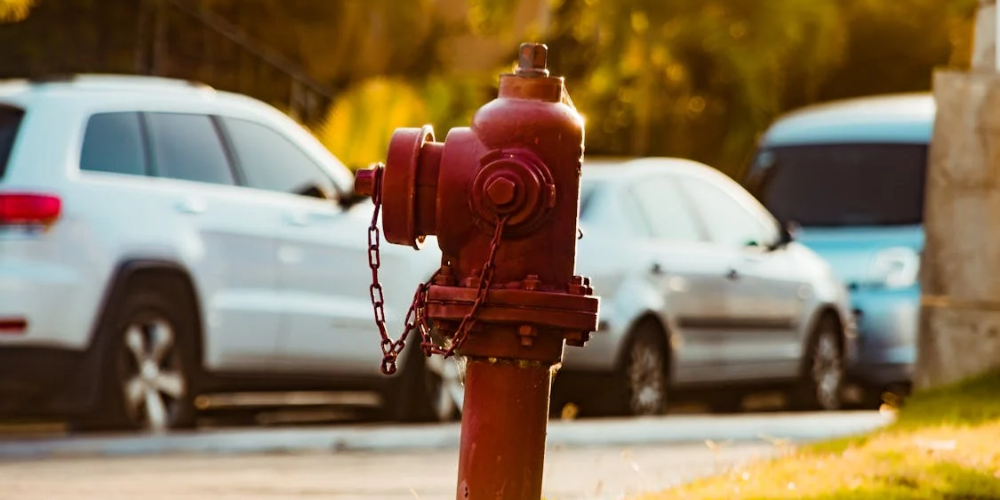
How Close Can You Park to a Fire Hydrant? Essential Rules Explained
Parking near fire hydrants is not just about convenience; it’s crucial for public safety. When considering where to park, especially in urban areas, understanding the rules surrounding fire hydrants can prevent accidents and ensure emergency access. So, how close can you park to a fire hydrant without running into trouble?
Let’s dive into the details to clear up any confusion and help you navigate this aspect of urban parking.
What is a Fire Hydrant?

Pexels | Brett Sayles | A fire hydrant provides firefighters essential access to city water during emergencies.
A fire hydrant serves as a vital connection point for firefighters to access water from the city’s supply during emergencies. Typically marked by a yellow plate or lid on the ground, these hydrants are strategically placed for quick access. They are often accompanied by specific road markings, such as blue road studs or arrows, to make them easily identifiable, even in challenging conditions.
How Close Can You Park to a Fire Hydrant?
The golden rule is to keep a safe distance from fire hydrants to ensure unobstructed access for firefighting operations. According to regulations, you can park your vehicle up to 500mm (50cm) away from a fire hydrant, provided there are no other parking restrictions in place. This distance allows for accessibility while minimizing obstruction.
Exceptions to the Rule

Instagram | placard_abuse | Parking closer than 500mm to a fire hydrant requires someone capable of moving the vehicle to be present.
Despite the general guideline, parking closer than 500mm to a fire hydrant requires specific conditions to be met. The vehicle can be parked closer only if someone capable of moving it remains present. This requirement ensures that the vehicle can be quickly relocated if necessary, preventing potential towing or obstruction during emergencies.
Recognizing Fire Hydrant Markings
To avoid inadvertently parking illegally, it’s essential to recognize the markings associated with fire hydrants. These include a yellow circle with a rectangular lid, often 1.2 meters in diameter, and accompanying road symbols like yellow triangles or arrows pointing towards the hydrant. Being aware of these markings helps drivers make informed parking decisions that comply with local laws.
The Dangers of Blocking a Fire Hydrant

Instagram | cityofparkridge | Firefighters require space to maneuver equipment and hoses.
The consequences of parking too close to a fire hydrant go beyond a mere ticket. Here’s why it’s so important to keep these vital tools clear:
- Delayed Response: Every second counts in a fire. Blocked access to a hydrant can significantly delay firefighters’ response, potentially leading to more extensive damage or even loss of life.
- Safety Hazard: Firefighters need ample space to maneuver their equipment and hoses. Parked cars create obstacles, increasing the risk of accidents and injuries during an emergency.
- Fines and Towing: Parking violations near fire hydrants typically come with hefty fines. In some cases, your vehicle might even be towed away, adding to the inconvenience and cost.
Understanding how close can you park to a fire hydrant is crucial for both legal compliance and public safety. By familiarizing yourself with local regulations and markings, you can confidently navigate urban parking while contributing to emergency preparedness. Remember, maintaining clear access to fire hydrants is a responsibility that benefits everyone, ensuring swift action in times of need.
Next time you’re considering parking near a fire hydrant, keep these guidelines in mind to stay informed and proactive. Your awareness and compliance play a vital role in supporting the safety and well-being of your community.
More inAuto News
-
`
 Do Car Insurance Companies Offer Pay-As-You-Go Plans?
Car insurance premiums often feel unfair to people who rarely drive. Yet, most traditional auto policies still charge a fixed monthly...
July 17, 2025 -
`
 Why the Koenigsegg Sadair Spear Is the Ultimate Hypercar Beast
Koenigsegg has revealed a new beast—the Sadair’s Spear. Tuning its focus on raw performance and brutal speed, this hypercar marks the...
July 11, 2025 -
`
 Which States Have the Safest—and Riskiest—Drivers in America?
Driving safety isn’t just about skill. It’s also about location. A recent nationwide report shines a spotlight on where drivers are...
July 4, 2025 -
`
 How to Save on Tesla Car Insurance Without Compromising Coverage
Owning a Tesla often brings savings on fuel and a futuristic driving experience, but the conversation changes quickly when it comes...
June 26, 2025 -
`
 10 Weird Cars That Turned Heads and Won Hearts
Some cars turn heads with speed, others with luxury—but a rare few grab your attention simply by being delightfully strange. From...
June 20, 2025 -
`
 Next-Gen Jeep Cherokee Expected to Arrive by Late 2025
After a break of two years, Jeep is prepared to relaunch the Cherokee brand. The automaker confirmed the return with fresh...
June 12, 2025 -
`
 9 Tips to Make Night Driving Safer and Less Frightening
Once the sun dips below the horizon, driving becomes more than just a commute—it becomes a challenge. Limited visibility, harsh glares,...
June 6, 2025 -
`
 The Impact of AI on Middle Management and Leadership Dynamics
Artificial intelligence is reshaping modern management practices. While intended to streamline tasks like approving time off or managing internal applications, its...
May 31, 2025 -
`
 Car Insurance Rates Were Set to Fall—Then Tariffs Changed the Game
For many drivers, there was reason to hope for some relief on car insurance costs this year. After a strong performance...
May 25, 2025
More From CashRoadster
-
 No-Fault vs At-Fault Auto Insurance, Which Saves You More?
Auto insurance rules shift from state to state, and one of the biggest dividing lines is how a state assigns responsibility...
Car InsuranceDecember 5, 2025 -
 Ford Gives First Look at 2026 Supercar Prior to Detroit Auto Show
Few automotive stories carry the same fire as Ford’s GT legacy. Born from rivalry and determination, the original GT40 existed for...
Auto NewsNovember 28, 2025 -
 What to Do If You Hit a Deer While Driving — Safety Guide
Deer activity increases dramatically from October to December, especially during the mating season. During these months, drivers often find themselves facing...
DrivingNovember 20, 2025 -
 How to Talk About Money with Your Aging Parents
Talking about aging is rarely simple — and bringing money into the mix can make it even harder. Still, these are...
AdviceNovember 14, 2025 -
 Who’s Covered by Car Insurance – the Vehicle or the Driver?
A common misunderstanding about auto insurance often leaves drivers confused when accidents happen. Many people assume that their car insurance covers...
Car InsuranceNovember 7, 2025
You must be logged in to post a comment Login