
How to Lower Your Car Insurance Premium Without Dropping Essential Coverage?
Car insurance can feel painfully expensive, especially when your driving record has not changed. You renew the same policy, drive the same car, and suddenly the bill is higher. That makes cutting coverage tempting, but removing valuable protection can turn a small monthly saving into a huge financial problem after a serious crash.
A better approach is to cut the cost around your coverage before cutting the coverage itself. Drivers can shop competing insurers, adjust deductibles, claim overlooked discounts, and review how their cars are valued. The goal is not finding the cheapest policy on the screen. It is paying less for insurance that still protects your finances when something goes wrong.
Car insurance prices also depend heavily on where you live. Accident frequency, repair expenses, theft rates, severe weather, state insurance rules, and uninsured drivers can all affect premiums. That means two drivers with similar cars and records can receive surprisingly different quotes simply because they live in different ZIP codes or states.
Plus, modern cars have also become expensive to repair. A damaged bumper may contain cameras, sensors, radar equipment, and other electronics that require careful calibration. Parts and labor costs have climbed as well. Insurers account for those higher claim expenses when setting premiums, so even careful drivers can feel the effect.
Shop Your Policy Before You Start Cutting Coverage
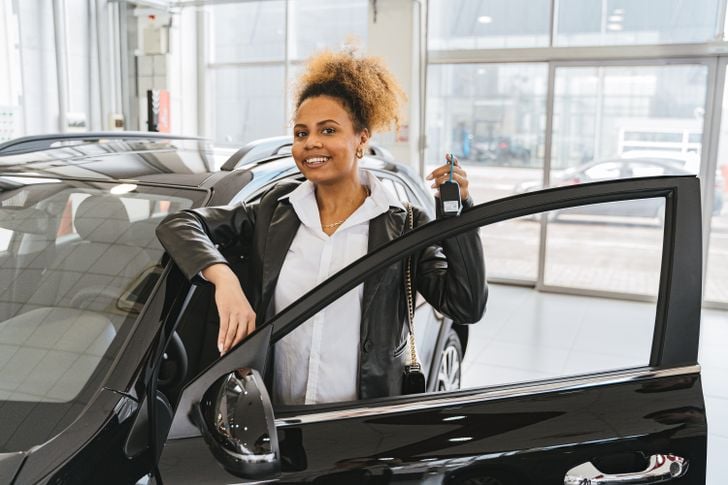
SHK / Pexels / Comparison shopping is by far one of the simplest ways to lower a car insurance premium.
Insurance companies calculate risk differently, which means the same driver can receive very different prices for nearly identical coverage. Getting several quotes around renewal time can expose savings that staying with one insurer may hide.
Keep the coverage limits, deductibles, and optional protections identical when comparing quotes. A cheaper quote means little if it quietly carries a higher deductible or much lower liability limits. Compare the actual policy rather than staring at the monthly payment, because that is where meaningful differences become clear.
You should also check smaller regional insurers instead of limiting the search to familiar national brands. Some regional carriers price certain locations or driver profiles more aggressively. Customer service, financial strength, claims handling, and complaint records still matter, so price should remain one part of the decision.
Payment choices can also trim smaller expenses. Some insurers charge installment fees when customers pay monthly, while others offer discounts for paying a policy term upfront. Automatic payments and paperless billing can sometimes unlock additional savings, depending on the insurer and state.
Raise Your Deductible Before Slashing Important Protection
A deductible is the amount you pay before certain insurance coverage begins paying an eligible claim. Raising a $500 deductible to $1,000 can reduce the premium because you agree to absorb more of the initial loss. The exact savings depend on the insurer, vehicle, location, and coverage involved.
That move only works when you can comfortably pay the higher deductible after an accident. Saving money every month provides little comfort if a $1,000 repair bill would create serious financial stress. Keep enough emergency cash available to cover the deductible you select.
Drivers with older vehicles should also examine collision and comprehensive coverage carefully. Collision generally covers damage to your vehicle from crashes, while comprehensive generally covers noncollision losses such as theft, hail, vandalism, and certain weather damage. Those protections become less valuable as a vehicle’s market value falls.
Make Your Discounts and Driving Record Work Harder
Turker / Pexels / Insurance discounts are easy to overlook because eligibility changes over time.
Safe driving, vehicle security equipment, defensive driving courses, and multiple policies can also produce savings with some carriers.
Ask the insurer to review every available discount instead of assuming the system has applied them automatically. Eligibility rules vary widely between companies and states. A discount offered by one carrier may not exist at another, which gives drivers another reason to compare policies regularly.
Usage-based insurance can offer larger savings for certain drivers. These programs typically use a smartphone app, connected vehicle, or telematics device to measure driving behavior. Depending on the program, insurers may consider mileage, braking, acceleration, speed, cornering, or the time of day you drive.
More inCar Insurance
-
`
 Tesla’s Miami Robotaxi Launch Is Big News, but Will It Lift TSLA Stock?
Tesla continues to attract attention from both active traders and long-term investors, making TSLA one of the most closely watched stocks...
July 26, 2026 -
`
 All the Reasons Why You Shouldn’t Blindly Follow AI Money Advice
Artificial intelligence has quickly become part of everyday life. People now use AI to write emails, plan vacations, answer questions, and...
July 24, 2026 -
`
 Financial Advice From Millionaires That Could Actually Hurt Your Wallet
Money advice from millionaires often sounds convincing because it comes from people who have already built wealth. Still, success does not...
July 19, 2026 -
`
 Do You Really Need Rental Car Insurance? A Deeper Look
Renting a car feels simple until the person at the counter starts asking about insurance. Many travelers freeze at that moment...
July 17, 2026 -
`
 What Qualifies a Vehicle for Classic Car Insurance?
Owning a classic car is about more than preserving an older vehicle. Many enthusiasts appreciate vintage automobiles because they are easier...
July 12, 2026 -
`
 NHTSA Launches ‘Special Investigation’ After Fatal Tesla Crash Into Texas Home
A deadly Tesla crash in Texas is now at the center of a federal safety investigation. The U.S. National Highway Traffic...
July 8, 2026 -
`
 “Grand Theft Auto VI” Cover Art Revealed
Rockstar Games gave fans a fresh look at “Grand Theft Auto VI” after releasing the game’s official cover art on Thursday....
July 5, 2026 -
`
 Why ‘Super Commuting’ Is Becoming a New Normal in Northern California
For thousands of workers across Northern California, a long drive to work is no longer an occasional inconvenience. It has become...
July 3, 2026 -
`
 Why Advanced Headlights Used Worldwide Are Still Restricted in America
Night driving was once associated with quieter roads and a calmer driving experience. Today, many motorists face a different reality. Intense...
June 28, 2026
More From CashRoadster
-
 How to Lower Your Car Insurance Premium Without Dropping Essential Coverage?
Car insurance can feel painfully expensive, especially when your driving record has not changed. You renew the same policy, drive the...
Car InsuranceOctober 8, 2026 -
 California Proposes New Auto Insurance Rules for Single Drivers
California drivers could see a change in how auto insurance companies set premiums. Insurance Commissioner Ricardo Lara has announced a proposed...
Car InsuranceOctober 4, 2026 -
 Credit Acceptance Pays $710 Million to Settle Predatory Auto Lending Claims
One of America’s largest subprime auto lenders has agreed to a massive settlement over allegations that it put financially vulnerable drivers...
Auto NewsOctober 1, 2026 -
 EV vs. Hybrid vs. Gas | Which Car Works Best for a Road Trip?
A long road trip can reveal differences that city driving often hides. Charging time, fuel stops, highway range, energy prices, and...
Auto NewsSeptember 27, 2026 -
 Diesel Prices Exceed Historic $6 a Gallon as Iran War Intensifies
Diesel prices are soaring in the U.S. The national average reached $6.2694 per gallon on September 15, 2026, according to AAA....
DrivingSeptember 25, 2026
You must be logged in to post a comment Login